
May 28, 2026
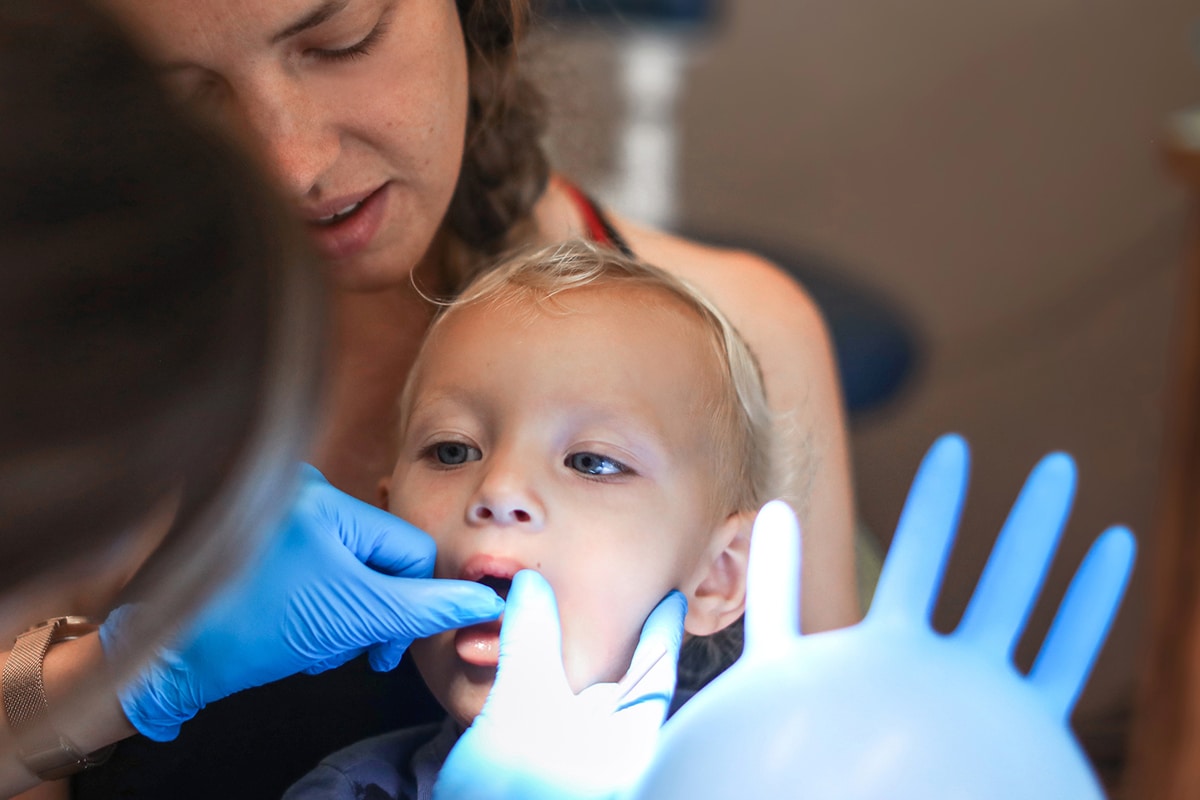
Parenthood brings a whirlwind of firsts. You capture the first smile, the first laugh, and those wobbly first steps. Yet one "first" often slips under the radar until it's too late—the first dental visit. Many parents believe they should wait until their child has a full set of teeth before scheduling an appointment. Leading pediatric dental organizations recommend bringing your little one in by their first birthday or within 6 months of their first tooth erupting.
We know taking your baby to the dentist might seem early. Those tiny teeth will fall out one day, right? Although primary teeth don’t last forever, they shape your child’s lifelong health. Early appointments give us a chance to track growth, address any issues before they cause pain, and help your child feel relaxed in the dental chair. When we begin checkups early, we lay the groundwork for healthy smiles and take away the fear so often tied to dental visits.
Why Baby Teeth Matter More Than You Think
You might underestimate the importance of baby teeth, but they shape your child's oral development in more ways than you’d think. Since baby teeth make way for permanent teeth, many people assume that cavities or issues with them only cause minor setbacks. Instead, neglecting baby teeth can create serious problems. Primary teeth do much more than look cute in photos. They hold space for adult teeth and keep them in the right position. When decay forces a baby tooth to fall out early, neighboring teeth can shift into that space, blocking the eruption of permanent teeth and causing crowding or misalignment.
Healthy Baby Teeth Affect Growth and Speech
Healthy baby teeth play a vital role in nutrition and speech development. Painful cavities make chewing hard, so children may avoid healthy foods and prefer softer, processed choices. Teeth help kids form sounds correctly as they learn to speak. Neglecting oral health at this stage can slow down these important developmental milestones.
Tooth Decay Starts Early and Spreads
Tooth decay begins as an infection. Bacteria that cause cavities in baby teeth can move to the permanent teeth growing beneath the gum line. Severe decay can trigger infections that affect your child's overall health. When we care for these early teeth, we protect the permanent smile that will last a lifetime.
Healthy baby teeth play a vital role in nutrition and speech development. Painful cavities make chewing hard, so children may avoid healthy foods and prefer softer, processed choices. Teeth help kids form sounds correctly as they learn to speak. Neglecting oral health at this stage can slow down these important developmental milestones.
Tooth decay begins as an infection. Bacteria that cause cavities in baby teeth can move to the permanent teeth growing beneath the gum line. Severe decay can trigger infections that affect your child's overall health. When we care for these early teeth, we protect the permanent smile that will last a lifetime.
What Happens During the First Visit?
Both parents and children often feel anxious about new experiences. When you know what to expect, you feel more at ease. We keep the first visit quick, gentle, and positive. Our goal is to introduce your child to the dental environment in a friendly way. We call this a "happy visit."
During this appointment, we perform a "knee-to-knee" exam. You sit with your knees touching the dentist's knees and hold your child on your lap. Then, you lower your child's head onto the dentist's lap, hold their hands, and offer comfort. This position lets your child see you the entire time, eases fear, and helps them feel secure.
We check several specific things:
- Early signs of decay: We look for white spots or discoloration that indicate enamel weakness.
- Gum health: We check for inflammation or other soft tissue issues.
- Jaw development: We ensure the bite is developing correctly.
- Oral habits: We discuss thumb sucking or pacifier use and their potential impact on tooth alignment.
We also take this opportunity to teach you the best cleaning techniques. Even if your baby only has one tooth, you need to clean it! We show you how to use a soft cloth or infant toothbrush to keep plaque away.
The Role of Diet in Early Cavity Prevention
Hidden Sugars in Everyday Foods
Sugar harms healthy teeth, and it hides in surprising places. Most parents avoid candy and soda, but many "healthy" snacks and drinks still increase early childhood cavities. Milk, formula, and even breast milk contain sugars that feed the bacteria responsible for tooth decay when those sugars remain on teeth for long periods.
Avoiding Baby Bottle Tooth Decay
Toddlers can develop a preventable condition that we call "baby bottle tooth decay." When you put your child to bed with a bottle containing milk or juice, the liquid pools around the upper front teeth during sleep, allowing decay to develop. Saliva flow slows during sleep, so the mouth loses its natural defense. We strongly recommend you never put your baby to bed with a bottle. If your child needs a bottle for comfort, fill it with water only.
Smart Snacking Protects Teeth
Snacking frequency matters just as much as food choices. Every time your child eats, bacteria in the mouth create acid that attacks tooth enamel. Saliva needs about 20 to 30 minutes to neutralize this acid. When a child snacks frequently throughout the day on crackers, fruit pouches, or juice, their teeth are under constant acid attack.
Build Strong Teeth with Healthy Habits
Help your child build strong teeth with these dietary habits:
- Limit sugary drinks: stick to water and milk.
- Structure meal times: aim for three meals and two scheduled snacks rather than grazing.
- Choose tooth-friendly snacks: cheese, yogurt, and crunchy vegetables help clean teeth and stimulate saliva.
- Encourage water: drinking water after meals helps rinse away food particles and sugars.
Establishing a Dental Home for Life
Find your "dental home" early and gain a trusted partner in your child's health journey. When you visit us regularly, we keep track of your child's development. This continuity of care holds tremendous value. We customize preventive and diagnostic dentistry plans to match your child's unique risk factors.
Proactive and Personalized Dental Care
For example, when we spot deep grooves in your child's molars where bacteria hide, we recommend sealants as soon as those teeth erupt. If we find early demineralization, we apply fluoride varnish right away to reverse the process before a cavity forms. We take these proactive steps only when we see children regularly, not when they arrive in pain.
Creating Positive Dental Experiences
Regular visits help your child feel comfortable and confident at the dentist. Children who come in for fun checkups and cleanings rarely develop dental anxiety, unlike those whose first visit involves a drill and a filling. We make our office a place where your child feels safe, respected, and even excited to visit. We speak in friendly, kid-focused language, maintain a welcoming atmosphere, and cheer on their bravery.
Building Lifelong Healthy Habits at Home
When you establish this routine early, you show your child that oral health matters. You help your child build habits that last a lifetime. By preventing cavities now, you empower your child to grow into a health-conscious person who values well-being.
Building a Lifetime of Healthy Habits
You start the journey to a cavity-free life long before permanent teeth appear. Begin with that very first visit and continue by practicing strong daily habits at home. Early dental checkups prevent pain and complex dental procedures for your child. You protect their ability to eat, speak, and smile with confidence.
Our Ongoing Support for Families
We support you at every step, providing guidance and care as your family grows. Together, let's give your baby the healthiest start possible.
Frequently Asked Questions About Preventive & Diagnostic Dentistry for Children
When should I start brushing my baby’s teeth with toothpaste?
Start using a tiny smear of fluoride toothpaste as soon as the first tooth erupts. Before the teeth appear, wipe your baby's gums with a clean, damp cloth after feedings to remove bacteria. When your child turns three and learns to spit, increase the toothpaste to a pea-sized amount. Always supervise brushing to ensure your child does not swallow toothpaste.
Are dental X-rays safe for my toddler?
Yes, dental X-rays keep your toddler safe and help us care for their growing smile. We use digital X-rays, which give off much less radiation than traditional film—often less than what your child encounters from their daily environment. We only take X-rays when we need to check between teeth or see how teeth develop under the gums. We always place protective aprons and thyroid collars to keep your child safe during every visit.
At Keiki Smiles of Leeward, we provide compassionate, expert dental care for infants, children, and teens. Our team creates positive dental experiences that build the foundation for a lifetime of healthy smiles. To schedule your child's visit, please reach out to us.