
June 30, 2026
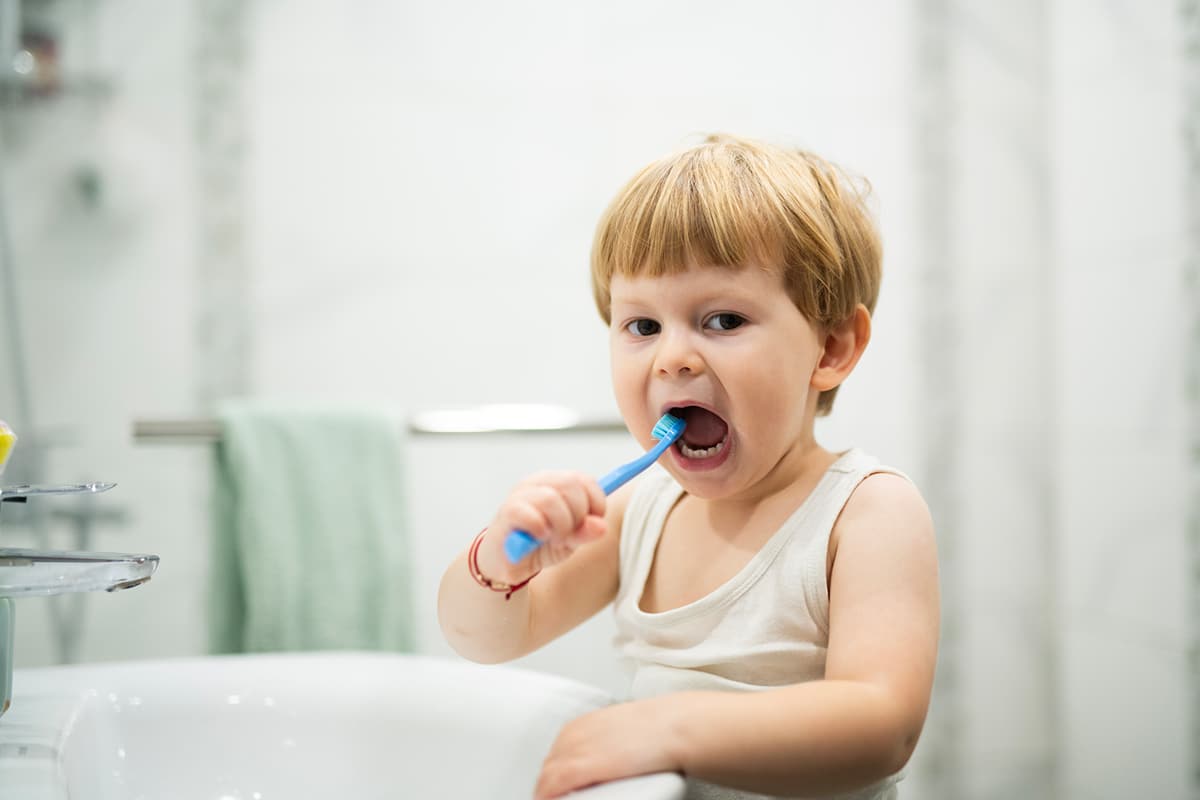
Many parents are surprised to learn that dental care should begin long before a child starts school. In fact, healthy oral habits begin in infancy and play an important role in a child's overall health and development. Establishing a strong foundation early can help prevent cavities, support proper tooth development, and create positive attitudes toward dental visits.
For families in Waipahu, understanding when and how to begin dental care can feel overwhelming, especially for first-time parents. Knowing what to expect during the toddler years can help make oral health a natural part of your child's daily routine. This guide explains why early dental care matters, when to schedule your child's first dental visit, and how parents can help protect growing smiles.
Why Early Dental Care Is So Important
Many people assume baby teeth are not as important because they eventually fall out. However, primary teeth play several critical roles in a child's development.
Baby teeth help children:
- Chew food properly
- Learn to speak clearly
- Maintain proper spacing for permanent teeth
- Develop healthy jaw growth
- Build confidence through a healthy smile
When baby teeth develop cavities or are lost too early, children may experience pain, difficulty eating, speech challenges, and future orthodontic concerns.
Tooth decay is one of the most common childhood health conditions, but it is also largely preventable. Starting dental care early allows parents and dental professionals to identify potential issues before they become larger problems.
Early dental visits also help children become comfortable with the dental office environment. Positive experiences during the toddler years often reduce anxiety and encourage healthy habits throughout life.
When Should Toddlers Have Their First Dental Visit?
The American Academy of Pediatric Dentistry recommends that children visit a dentist by their first birthday or within 6 months of the eruption of their first tooth.
While this may seem early, these visits serve several important purposes. The dentist can evaluate oral development, identify early signs of decay, and provide parents with guidance tailored to their child's needs.
During a first dental visit, the focus is often on education and prevention rather than treatment. Parents can ask questions about:
- Teething
- Thumb sucking
- Pacifier use
- Bottle feeding
- Oral hygiene routines
- Nutrition and cavity prevention
Establishing a dental home early allows families to build a trusted relationship with their pediatric dental team and provides a place to turn if concerns arise.
What to Expect During a Toddler Dental Visit
Many parents worry that their toddler may not cooperate during a dental appointment. Fortunately, pediatric dental teams are trained to work with young children and create a welcoming environment that helps them feel comfortable.
A typical toddler visit may include:
- A Gentle Examination. The dentist will carefully examine your child's teeth, gums, jaw development, and oral tissues. The examination is usually brief and designed to keep children relaxed.
- Assessment of Growth and Development. The dental team monitors how teeth are erupting and evaluates whether development appears on track.
- Professional Cleaning. Depending on your child's age and needs, a cleaning may be performed to remove plaque buildup and help establish healthy oral hygiene habits.
- Parental Education. One of the most valuable parts of an early dental visit is the opportunity for parents to receive guidance specific to their child's stage of development.
These appointments are designed to be positive, educational experiences that help children feel safe while introducing them to routine dental care.
Daily Habits That Help Protect Toddler Smiles
Good oral health starts at home. Establishing healthy habits early can significantly reduce the risk of cavities and other dental problems.
- Brush Twice Daily. Parents should brush their toddler's teeth twice each day using a soft-bristled toothbrush and a small amount of fluoride toothpaste appropriate for the child's age.
- Assist with Brushing. Toddlers enjoy practicing independence, but they typically lack the coordination needed to brush effectively. Parents should assist or supervise brushing until children can demonstrate proper technique.
- Limit Sugary Snacks and Drinks. Frequent exposure to sugary foods and beverages increases the risk of tooth decay. Water is often the best choice between meals, and limiting sugary snacks can help protect developing teeth.
- Encourage Healthy Eating Habits. A balanced diet supports both oral and overall health. Foods rich in calcium, phosphorus, and vitamins help strengthen developing teeth and bones.
- Avoid Bedtime Bottles with Sugary Liquids. Allowing children to fall asleep with milk, juice, or other sweetened beverages can significantly increase cavity risk. Water is the safest option if a bedtime bottle is necessary.
Consistency with these habits helps create a strong foundation for lifelong oral health.
Understanding Early Childhood Cavities
Many parents are surprised to learn that cavities can develop shortly after teeth erupt. Because toddler enamel is thinner than adult enamel, decay can progress quickly if left untreated.
Common causes of early childhood cavities include:
- Frequent sugary snacks
- Prolonged bottle use
- Juice consumption throughout the day
- Inadequate brushing
- Poor oral hygiene habits
- Bacteria transferred through shared utensils or cleaning pacifiers with a parent's mouth
In the early stages, cavities may appear as white spots or areas of discoloration. Children often do not experience pain until the decay becomes more advanced.
Regular dental visits allow pediatric dentists to detect these early warning signs before significant damage occurs.
Creating Positive Dental Experiences for Toddlers
One of the most valuable benefits of early dental care is helping children develop a healthy relationship with dentistry.
Parents can help prepare toddlers for dental visits by:
- Speaking positively about the dentist
- Reading age-appropriate books about dental care
- Practicing opening wide at home
- Avoiding frightening language about dental treatment
- Scheduling appointments when children are well-rested
Children who associate dental visits with positive experiences are often more cooperative during future appointments and more likely to continue seeking preventive care as they grow older.
Pediatric dental offices are specifically designed to create child-friendly experiences that help young patients feel comfortable and supported.
Building a Lifetime of Healthy Smiles
The toddler years provide a unique opportunity to establish healthy habits that can benefit children for decades. Early dental visits, proper home care, healthy nutrition, and preventive guidance all work together to reduce the risk of cavities and support strong oral development.
For Waipahu families, investing in early dental care is one of the best ways to help children maintain healthy smiles while building confidence and comfort with dental care. By starting early, parents can give their children the tools they need for a lifetime of good oral health.
Frequently Asked Questions About Early Dental Care for Toddlers
When should I start brushing my toddler's teeth?
You should begin cleaning your child's mouth even before teeth appear and start brushing as soon as the first tooth erupts. Consistent oral hygiene from an early age helps prevent plaque buildup and cavities.
How often should toddlers visit the dentist?
Most children benefit from dental checkups every 6 months. Your pediatric dentist may recommend a different schedule based on your child's oral health needs.
Is fluoride toothpaste safe for toddlers?
Yes. When used in age-appropriate amounts and under parental supervision, fluoride toothpaste can help strengthen enamel and reduce cavity risk.
What should I do if my toddler dislikes brushing?
Try making brushing fun with songs, timers, or reward charts. Consistency and positive reinforcement often help children become more comfortable with the routine.
Can baby teeth really get cavities?
Absolutely. Baby teeth are susceptible to decay, and cavities can develop soon after teeth erupt. Early prevention and routine dental visits are important for protecting these teeth.
At Keiki Smiles of Leeward, we are passionate about helping children build healthy oral habits from the very beginning. Our team provides compassionate pediatric dental care in a welcoming environment designed to support growing smiles and positive dental experiences. We work closely with families throughout Waipahu and Oahu to promote lifelong oral health. Contact us today to schedule an appointment.